

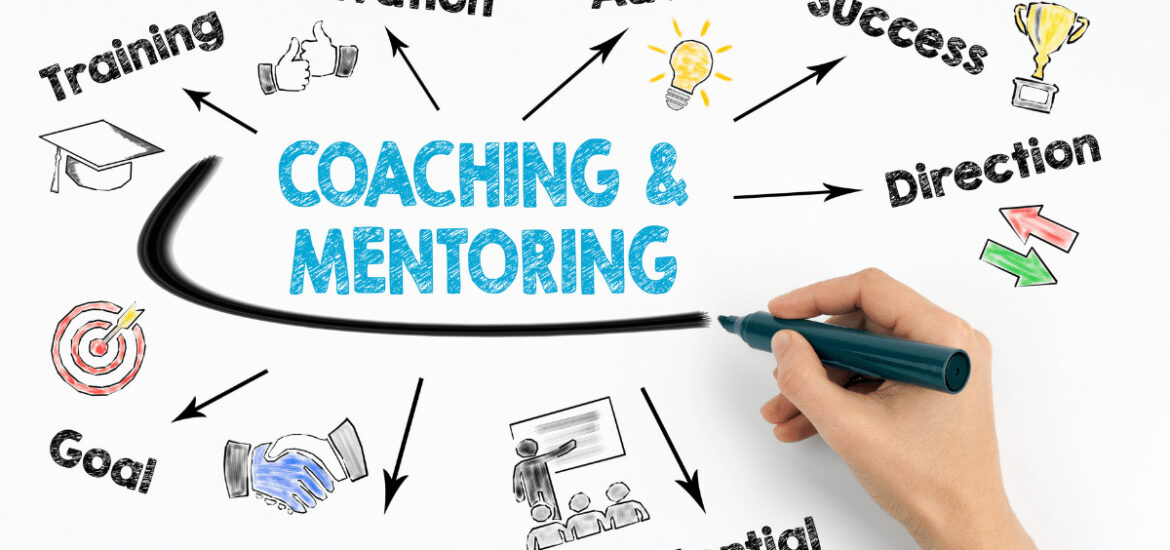
Key Takeaways
- Confirm a coach’s pertinent background and demonstrated results by validating sales experience, certifications, industry case studies, and measurable outcomes to guarantee credibility and compatibility.
- Prioritize core methodology and diagnostic ability that support both individual and team learning, offer practical tools, and allow customization based on assessments.
- Choose a delivery format that fits your needs by weighing one-on-one coaching for personalized feedback against group workshops for team alignment. Confirm availability of in-person, virtual, or hybrid options.
- Set specific success metrics and KPIs, implement frequent check-ins and feedback loops, and organize periodic reviews to monitor impact and refine the coaching plan.
- Embed coaching in your broader learning ecology by integrating it with existing resources, digital tools, and peer groups to support ongoing development.
- Don’t fall prey to things like coaches who lack results, cookie-cutter one-size-fits-all programs, old school tools, or approaches that won’t help your business in the long term.
How to choose a sales coach addresses which skills, methods, and fit best improve sales performance. A good coach demonstrates quantifiable results, transparent pedagogy, and industry-specific experience. Fit goals, coaching style, and schedule to your team or personal needs. Look at track record, client testimonials, and practical tools provided. Pricing and contract terms are important, as is follow-up support and tracking of progress to ensure the improvement is enduring.
Selection Criteria
Choosing a sales coach program starts with clear priorities: outcomes, fit, and the means to get there. Select a coach based on experience, methods, measurable results, diagnostic skill, and long-term compatibility before hiring.
- Essential qualities and experience for a sales coach: * Demonstrated professional sales experience and industry-specific certifications.
- History of results, including quota attainment and pipeline growth.
- Experience with contemporary sales tools and CRMs.
- Research-driven training material and published models.
- Reinforcement systems that develop daily habits.
- Flexibility to adapt content to your sales reality.
- Adaptable delivery methods, including on-site, virtual, and microlearning.
- Continued professional education and current techniques.
- Well-defined metrics and targets for accomplishment.
1. Relevant Background
Check the coach’s track record and credentials with specific examples. Seek out candidates who have been in quota-carrying positions or leading sales teams in markets similar to yours. To evaluate industry fit, ask for case studies from similar verticals. A coach who helped a B2B SaaS team grow ARR will employ different tactics than one centered on retail.
Confirm familiarity with current tools: ask which CRMs, sales engagement platforms, and analytics they use. Great coaches list concrete tech stacks and demonstrate how to embed coaching into daily workflows. Look for commitment to ongoing education. Published work, recent certifications, or industry conference presentations all demonstrate a coach who regularly updates their techniques.
2. Core Methodology
What is the selection criteria — who do you look for, what are their coaching frameworks or teaching methods, and how that translates to behavior change? Not surprisingly, the most effective programs blend short lectures, role play, real-world fieldwork, and reinforcement. See if the method allows for individual skill work as well as teamwork.
Look for practical tools: scripts, playbooks, scorecards, and templates that your reps can use immediately. Validate customization by requesting a sample module tailored to your product or buyer. Delivery flexibility counts. Modular virtual sessions, brief micro-lessons, and on-the-job reinforcement boost adoption.
3. Proven Outcomes
Request hard data: before and after quota attainment, conversion lifts, reduced sales cycle time. Case studies need to demonstrate results and the methodology behind them. Selection criteria: Testimonials are good when combined with metrics and timelines.
Examine progress tracking: cadence of checkpoints, scorecards, and how strategies are adjusted. Make sure you set benchmarks in advance. Quota increases, pipeline value, and competitive win rate are typical KPIs. It needs to be visible in rep behavior and in sales figures.
4. Diagnostic Ability
Assess the coach program’s diagnostic process through interviews, ride-alongs, call reviews, and skill assessments. Confirm the use of validated tools that align strengths and gaps to tailored plans. Request examples where diagnostics from the coach program resulted in focused development and measurable growth.
5. Long-Term Alignment
Decide whether the coach program’s vision aligns with your multi-year talent strategy and business objectives. Ensure ongoing support through refresher sessions, reinforcement systems, and access to resources after initial training. Evaluate adaptability by determining if the program can evolve with new products, markets, or sales models.
Delivery Formats
Delivery formats in a coach program refer to how coaching is offered and how learners engage with content. These formats range from one-on-one sessions to large team workshops and include in-person, virtual, self-paced, and hybrid blends. Selecting the right format impacts timing, attention, memory, and the follow-through necessary to modify seller behavior.
Individual Guidance
One-on-one coaching should provide personalized feedback and a written growth plan associated with defined objectives and measurements. Assure the coach will evaluate baseline skills, co-design a plan, and review it periodically. Coaches should employ basic tracking tools, such as scorecards, recorded role-plays, and progress dashboards, to demonstrate growth over time and keep each session targeted and quantifiable. When considering a coach program, scheduling matters: look for programs that let you choose cadence, from weekly short check-ins to biweekly deep dives, so coaching fits real work rhythms. One-on-ones serve as a great reinforcement after group training. Studies reveal that these short focused modules have better completion rates, so punchy prework and targeted coaching tend to stick.
Team Workshops
Team workshops need to blend teaching, practice, and coordination exercises that render team dynamics transparent and optimizable. A well-structured coach program can enhance this process significantly. Good facilitators conduct interactive activities, role-plays, and scenario planning so participants apply techniques to common accounts and pipelines. Workshops frequently extend over several days or mini-sessions that are repeated. In-person deliveries allow coaches to interpret body language and energy, whereas virtual workshops require stricter moderation and additional breaks. After the live workshop, anticipate digital learning to prepare participants prior to sessions and to reinforce skills post-workshop. Blended learning tackles what needs to occur before, during, and after instruction, ensuring that the coach program is effective and comprehensive.
- 1:1 Coaching — Advantages: highly personalized, targeted problem solving, flexible pacing, good for confidential topics. Disadvantages: higher cost per person, scalability limits, depends heavily on coach fit.
- Group Workshops — Advantages: builds shared language, scalable, fosters team norms, cost-effective per head. Disadvantages: less individual attention, risk of uneven participation, scheduling complexity.
Comparing Delivery Options and Support
Assess the coach program’s flexibility: can they run sessions in-person, virtually, or as a hybrid? Hybrid models let you combine live practice with self-paced content and often produce better outcomes than single-format approaches. Check that every format includes access to learning tools—recorded sessions, quick reference guides, and practice modules—and ongoing support such as office hours, messaging threads, or follow-up coaching. Self-paced learning gives control and suits busy schedules, but use short modules to raise completion rates. Short modules can achieve completion rates as high as about 83%, versus 20 to 30 percent for longer courses. The right mix increases engagement, retention, and cooperation, and helps develop effective sellers.
Success Measurement
Success measurement provides teams a tangible method to determine whether coaching makes an impact and when to alter direction. Establish what success looks like up front, utilize repeatable metrics, and make evaluation a collaborative process between managers and sellers so data drives coaching, not subjective opinion.
- Establish success metrics and KPIs for the coaching program.
- Win rate — percentage of opportunities closed. Monitor by product, vertical, and rep to identify trends.
- Quota attainment — percentage of quota reached per period and rolling average over three to six months.
- Sales cycle length — days from lead to close. Shrinking cycles can often indicate better qualification and pitch.
- Average deal size — fluctuations may indicate a move to higher-value selling or the risk of discounting.
- Pipeline health — number of qualified opportunities and coverage ratio versus target.
- Activity metrics — calls, demos, proposals. Use to connect behavior to outcomes.
- Skill metrics — proficiency scores from role plays or call audits based on established rubrics.
- Seller advancement — personal development objectives achieved, certifications obtained, or advancements.
- Looking at customer outcomes — renewal rate, churn, and time to first value for a more well-rounded perspective.
- Engagement and retention — seller happiness and attrition linked to coaching effect.
Use regular assessments and feedback tools to measure professional development. Run weekly or biweekly quick pulse surveys for self-assessment and schedule monthly one-on-one coaching sessions with a structured agenda. Use recorded call reviews with a short rubric to score competence and note two clear actions per session. Combine quantitative dashboards with qualitative notes so growth shows in both numbers and behaviors.
| Indicator | Pre-coaching | Post-coaching |
|---|---|---|
| Win rate | 18% | 23% |
| Avg deal size (USD) | 8,000 | 9,600 |
| Sales cycle (days) | 65 | 52 |
| Quota attainment (%) | 72% | 88% |
| Skill rating (1–5) | ||
| 2.6 | ||
| 3.8 |
Conduct regular checkups for ongoing progress and assistance. Run quarterly performance reviews that revisit goals, update KPIs, and set new learning objectives. It can involve seller self-reports, manager observations, and customer feedback. Make reviews a joint plan: identify one skill to build, one behavior to stop, and one metric to move in the next quarter. With research showing that only 32% of managers extract maximum performance from sellers and that paired coaching can increase win rates by more than 27%, these structured reviews are critical to bridging that gap.
Learning Ecosystems
Think of a learning ecosystem as a system of humans, resources, and technology supporting learning. It spans formal training, informal learning, social interaction, and the tools that link them. For a sales coach to work effectively, their coach program needs to integrate into the client’s current ecosystem, ensuring that coaching complements other initiatives instead of duplicating them.
Integrate the coach’s program with existing professional development resources. Map current resources first: in-house training modules, LMS courses, sales playbooks, certification paths, and mentoring programs. Match coaching goals to these assets. For example, if a company already has a negotiation module in its LMS, the coach should use that module as pre-work and focus live sessions on role-play and feedback. Create simple alignment documents: learning objectives, overlap areas, and gaps the coach will fill. Agree on metrics up front, such as activity completion, skill assessments, and sales KPIs, so the coach’s work ties to measurable outcomes. When resources exist in different languages or regions, plan for localized materials and uniform skill checks to keep standards global.

Utilize online resources and communities for continuous growth and exchange. Choose tools that match how teams work: video conferencing for coaching sessions, a shared LMS for content, chat channels for quick questions, and a knowledge base for templates and recordings. Leverage brief, recorded micro-lessons that salespeople can replay on demand, and tag them by skill so search spans regions. Connect coaching calendars with CRM reminders so practice matches pipeline stages. Monitor engagement and advancement with an easy-to-read dashboard highlighting course completions, coaching hours, and behavior changes observed on calls or meetings.
Promote peer groups and knowledge-sharing forums. Establish cohort-based groups where members regularly convene for case reviews and peer coaching. Combining reps from various markets can bring different strategies to the forefront. Structure sessions with a clear agenda: one deal review, one skill practice, and one takeaway. Use forums or Slack channels for quick wins and questions, and rotate facilitators to diffuse ownership. Celebrate pragmatic victories, such as deals closed using a technique learned from the coach program, so participation ties directly to success.
Create a learning ecosystem. Get leadership backing to shield time for learning and to role model it. Train managers to coach day-to-day and to reinforce coached skills during 1:1s. Provide psychological safety: invite questions, accept failed experiments, and log lessons in a shared repository. Pair formal checkpoints, such as quarterly skill audits, with informal touchpoints like weekly skill tips. A well-engineered ecosystem hones abilities, ignites performance, and sustains remote and hybrid teams with uniform tools and standards.
Critical Pitfalls
Choosing a sales coach requires an awareness of these critical pitfalls that silently sabotage outcomes. Here are the major pitfalls, why they are important, where they occur and how to detect or evade them.
Coaches without demonstrated results or experience depend on anecdotes. Watch for proven outcomes connected to comparable teams or markets, case studies with quantitative data such as conversion rate lift, deal size growth, quota attainment, and customer communications. If a coach worked in enterprise SaaS, proof should be with a similar sales cycle and buyer personas. Watch out for resumes littered with coaching hours with no defined results. Request instances in which one particular behavior alteration resulted in a measurable sales advantage. If they’re vague, skip them.
Generic solution programs lacking diagnosis. Generic programs abound. Effective coaching begins with a clear diagnosis, which includes call review, CRM data analysis, ride-alongs, and buyer feedback. Absent this, coaches prescribe broad scripts or modules that skip essential gaps. For instance, objection scripts won’t solve a rep’s issue if the underlying cause is bad opportunity qualification. Demand intake tools and baseline measures so the coach can map interventions to actual needs.
Minimal support or old tools in the program Coaching that ends after a single workshop or uses old slide decks produces minimal change. Check for ongoing touchpoints: weekly micro-sessions, peer practice, recorded role-plays with feedback, and mobile resources. Most teams aspire to three to five hours per seller a week, but reality typically doesn’t come close. Programs need to plan for persistent, personal, human touch. Confirm tools are current: cloud-based platforms for practice and analytics, not static PDFs.
Misalignment between the coach’s approach and your development goals. Rigid coaches who stick to one method, even when it fails, can block growth. Ensure the coach adapts and blends Challenger, consultative selling, and tactical skills based on your reps’ needs. Agree on defined, achievable goals, clear accountability, and specific development activities. Watch for coaching that evaluates only past performance against formal criteria and relies on telling rather than probing. Better conversations target which Challenger skills will most move metrics, set measurable short-term goals, and assign practice tasks tied to real deals.
Critical Pitfalls – Over-coaching and diminishing returns Coaching assists, but excessive duration induces fatigue and reduces value. Research indicates advantages level out at about five hours per month. Beyond that, your attention and transfer nose dive. Create a cadence that is not too frequent and not too deep, but measure impact so coaching time correlates to results.
Strategic Integration
Strategic integration is the act of connecting various business activities, technologies, and workflows to operate toward shared objectives. For a sales coach to be relevant, their curriculum has to nestle within that broader context. First, map your sales goals—revenue, retention, expansion—to the coach’s syllabus, approach, and metrics. If your company plans to expand into new markets, the coach should demonstrate how to adjust pitch scripts, lead qualification, and territory planning to enable that transition. If the objective is a higher average deal size, modules need to be about value-based selling, negotiation, and executive-level conversations.
Strategic Integration
Make sure the coach’s program fits with your overall business strategy. Make sure session goals align with quarter and year KPIs and that measurement uses the same definitions your business already tracks. Request case work or mock plays linked to actual accounts and demand action plans that managers can incorporate in performance reviews. Use examples: require the coach to run a role-play based on a stalled strategic account or to build an account plan template that matches your CRM fields. This minimizes redundant effort and ensures coaching results flow into existing reports.
Make sure the coaching support integrates with other professional development efforts. Take stock of existing courses, apprentices, and educational resources prior to your onboarding. Match learning levels so the coach doesn’t repeat fundamentals HR already provides, and make sure advanced modules fill gaps uncovered by talent reviews. For example, if product training addresses features, your sales coach should teach positioning and objection handling, not product specifications. Work schedules so that reps are able to implement new behaviors in between sessions and managers are able to witness progress during current team meetings.
Build coaching insights into your larger organizational learning strategy. Create a feedback loop: coach reports feed talent development, product teams, and marketing so lessons learned shape collateral and playbooks. Strategic integration uses shared repositories—LMS or team drives—so playbooks, call recordings, and action items are visible across functions. Technology can assist here and connect coaching results to an ERP or CRM to monitor behavior change with pipeline metrics.
Strategic integration. Arrange quarterly reviews with leadership, HR and the coach to recalibrate priorities, resource needs and cultural fit. Be aware integration is tricky and may involve process or system modifications. Get leadership buy-in and carve out time and budget. Without that, coaching risks remaining siloed and not enhancing performance.
Conclusion
It begins by establishing clear goals and a simple plan. Match skills to your target market, select a coach with demonstrated effectiveness, and prioritize practical approaches above extended lecturing. Pair short coaching sprints with role play, shadowing, and weekly check-ins. Track wins with clear metrics such as conversion rate, deal size, and sales cycle length. Beware of coaches that promise quick fixes or that promote cookie-cutter scripts. Integrate coaching into your daily work so new habits cement.
A good example is a tech rep who cut the sales cycle by 25% after four weeks of live call reviews and tailored pitch drills. Begin modest, gauge rapid, and amplify what functions. So, ready to pick a coach? Compare your top three criteria between two candidates and take a paid test drive.
Frequently Asked Questions
How do I pick the right sales coach for my team?
Select a coach from a reputable coach program who has relevant industry experience, a history of demonstrated results, and a coaching style that fits your personality. Be sure to check references and client case studies to ensure their methods align with your sales model and goals.
What delivery format is best: one-on-one, group, or blended?
Blended formats typically work best in a coach program. Mixing individual coaching for skill gaps with group workshops for team alignment strikes a balance between personalization, cost, and scalable behavior change.
How will I measure a coach’s impact quickly?
Track a mix of activity and outcome metrics in your coach program: call volume, conversion rate, average deal size, and pipeline velocity. Use baseline data and a 30 to 90 day milestone as early signals.
How do I ensure coaching fits into our learning ecosystem?
Align the coach program with current training, CRM flows, and performance review to ensure it’s reusable, documented, and integrated into onboarding and ongoing learning journeys.
What are common pitfalls when hiring a sales coach?
Say no to coaches in any coach program with unverifiable results, murky delivery plans, or cookie-cutter methods. Watch out for misaligned incentives and lack of manager involvement.
How long should I engage a sales coach to see real results?
Anticipate real impact in three to six months through a structured coach program, regular coaching, manager reinforcement, and KPIs to measure, with short pilots lasting six to twelve weeks to prove fit.
How do I align coaching with our sales strategy and targets?
Set common goals, establish success metrics, and engage in a coach program focused on sales leadership planning, ensuring content aligns with your buyer journey and target metrics.